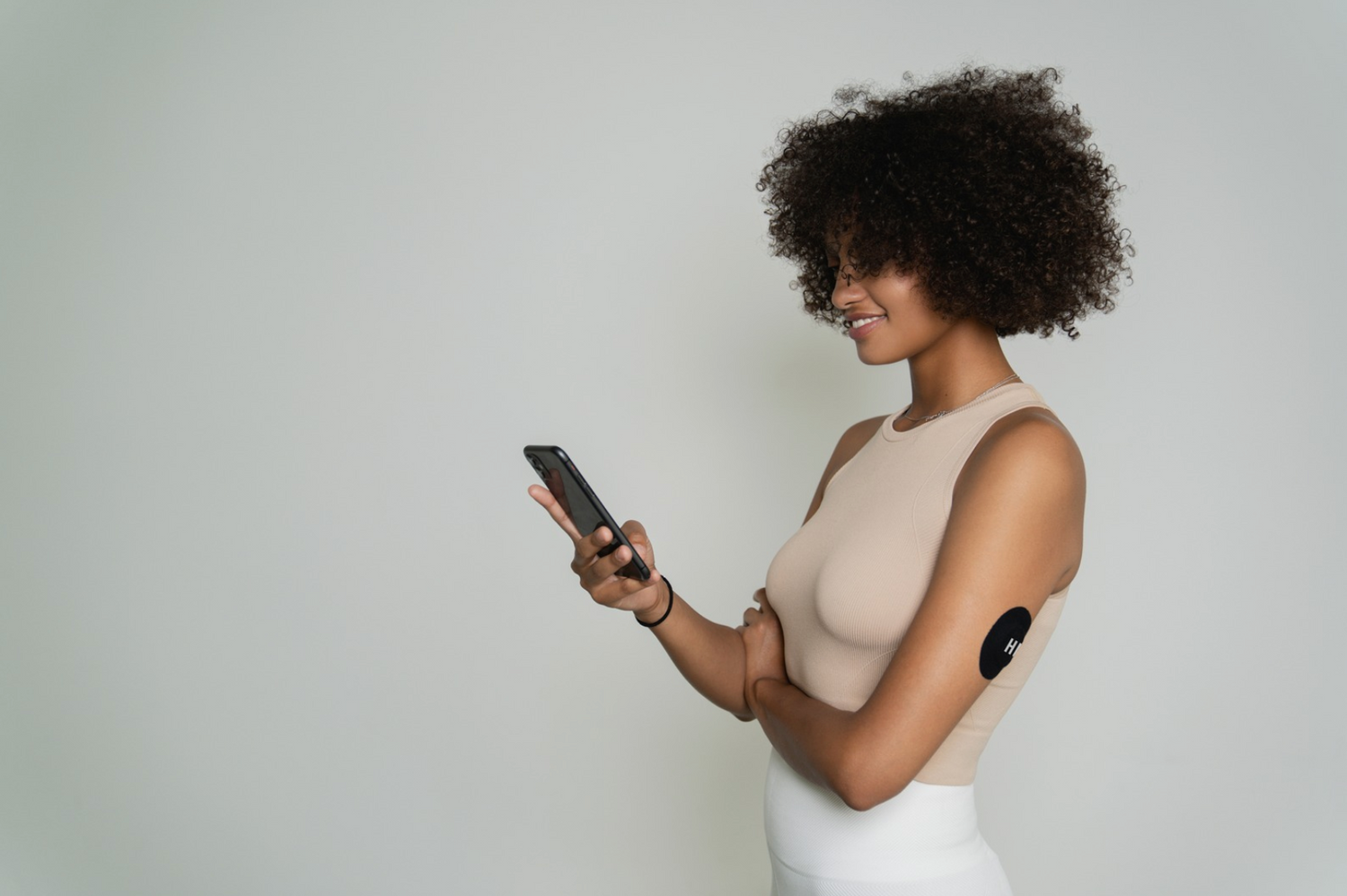

The metabolic health gap in women's care

Women are disproportionately affected by metabolic conditions — yet remain underrepresented in clinical research.

Hormonal fluctuations across the lifespan significantly impact glucose tolerance, energy metabolism, and inflammatory markers. PCOS, gestational diabetes, Alzheimer's, and perimenopause all share a common thread: insulin resistance and poor glucose control. But the tools to understand and optimize metabolic health have been locked away behind medical gatekeeping.

Women achieve measurable improvements in weight, energy & symptom management through glucose control

Hello Inside clinical outcomes: 4kg average weight loss in 3 months

We analyzed cohorts of up to 1,200 women and over 32,000 logged symptoms. Our research reveals something remarkable: when women can see how their bodies respond in real time, they don't just feel better — they achieve clinically meaningful improvements in weight, energy, and symptom management.

Analysis period: Q1–Q2 2025. Data sources: User-reported symptoms via Hello Inside app (Metabolic Health Assessment + Daily Journal). Weight cohort: 650 female users with minimum 28 days glucose data within 90-day period. Symptom cohort: 1,082 users, 32,580 logged symptoms. Cycle sub-cohort: 317 women tracking menstruation for 90+ days. Self-reported survey: 89 female users, May 2024. Analysis method: Kendall's Tau correlation for trend analysis. Improvement definition: downward trend in symptom severity (1–3 scale). Hello Inside received EQUAL CARE® certification for sex & gender-sensitive Digital Preventative Health (05/2025). Full references available in the complete report.

Sign up & Receive our full report

Get the full white paper with detailed methodology, clinical data, and all references — free.

Mario Aichlseder, CEO of Hello Inside — women’s metabolic health quote

"We've lost touch with our bodies. It's time to reconnect & reclaim our power."

Mario Aichlseder, Co-Founder & CEO of Hello Inside

Why Women’s Metabolic Health Matters

Condition

Impact on Women

Metabolic Connection

PCOS

6–13% of reproductive-age women

Insulin resistance drives higher blood sugar levels

Gestational Diabetes

11% of pregnant women in Europe

Poor glucose control raises cardiovascular risks

Alzheimer’s Disease

Women make up 70% of patients

Insulin resistance drives neurodegeneration

Menopause

One-third of women worldwide currently in transition

Hormonal shifts increase insulin resistance

This white paper is proof that our mission works.

The findings at a glance

4 kg average weight loss in 3 months

Average weight loss in 3 months through metabolic optimization, not restrictive dieting. n=650 women.

76% Improved at least one symptom

Within 90 days of using Hello Inside. n=1,082 users analyzed.

+23pp CGM advantage

over non-CGM: Real-time glucose feedback drives significantly more behavior change.

81% Improvement with cycle tracking

Women tracking symptoms + menstruation see even stronger outcomes. (n=317).

11 days = Fastest symptom improvement

Sleep disturbances improved in as little as 11 days. Energy in 12.

91% Reduced cravings in menopause

Self-reported by menopausal women using glucose insights. (n=89).

Your metabolism drives energy, mood, weight, focus, sleep, and long-term vitality. Less than one-third of normal-weight adults are metabolically healthy — decreasing to just 8% for overweight and 0.5% for obese individuals. The most frequently reported symptoms among Hello Inside users were stress, lack of energy, bloating, sleep disturbances, and cravings. Lacking concentration showed the fastest and strongest improvement trajectory across the cohort.

Symptom improvement, the big picture

Symptom

Average time to first measurable symptom improvement

Sleep disturbances

11 days

Energy levels

12 days

Cravings

15 days

Bloating

16 days

Mood swings

17 days

Period cramps

19 days

Average Duration

Average weight loss

30 days

1.1 kg

90 days

4 kg

*Based on analysis of 1,082 women tracking symptoms over 90 days. Improvement defined as any downward trend in symptom severity (1-3 scale).

  • GLP-1 therapy boom trend in metabolic health

    GLP-1 Therapy Boom

    Many patients regain weight after discontinuing GLP-1s because underlying habits haven't changed. Parallel lifestyle interventions through CGM can stabilize outcomes.

  • Wearables gap: missing glucose data integration

    Wearables Gap

    A critical gap exists in glucose integration with mainstream wearables. Hello Inside provides the women-first metabolic intelligence layer with Apple Health, Garmin, and Oura integrations.

  • Preventative health crisis: prevention gap drives rising metabolic risk and healthcare costs

    Preventative Health Crisis

    PCOS, Type 2 Diabetes, gestational diabetes, and Alzheimer's share a common thread — insulin resistance. Early intervention could save billions in treatment costs.

  • FemTech investment wave: growing funding and innovation in women’s health

    FemTech Investment Wave

    Significant investment is flooding into FemTech as regulatory focus on gender health equity creates tailwinds for validated, women-specific solutions.

FAQs

How was the clinical data collected?

We analyzed anonymized, aggregated cohorts based on app-logged symptoms (Metabolic Health Assessment + Daily Journal) and CGM-derived glucose data during Q1–Q2 2025. Full methodology is included in the PDF.

What does “symptom improvement” mean in this report?

Improvement is defined as a downward trend in symptom severity over time (1–3 scale) across the observation window.

Who is included in the cohorts?

Weight cohort: n=650 female users with at least 28 days of CGM data within a 90-day period. Symptom cohort: n=1,082 users with 32,580 logged symptoms. Cycle sub-cohort: n=317 tracking menstruation for 90+ days.

Can I cite these findings in presentations or research?

Yes. Please cite “Hello Inside Women’s Metabolic Health Whitepaper (Q1–Q2 2025)” and refer to the methodology section for cohort definitions.

Is this peer-reviewed research?

This is a real-world evidence report from Hello Inside users. It includes methodology, cohort definitions, and references, but it is not a peer-reviewed journal publication.

What will I receive after submitting the form?

A PDF whitepaper with full results, charts, methodology, and references—delivered instantly to your inbox.